
Introduction to AI in Digital Marketing
What is Artificial Intelligence?
Artificial Intelligence, or AI, isn’t just some futuristic buzzword anymore—it’s quietly powering a huge chunk of the digital experiences you interact with every day. From the moment you open your favorite shopping app to when Netflix recommends your next binge-worthy series, AI is working behind the scenes, crunching data and learning your preferences. At its core, AI refers to machines or software systems that mimic human intelligence, including learning, reasoning, and decision-making. But in digital marketing, it goes even deeper than that—it becomes a strategic powerhouse.
Table of Contents
Toggle

Think about how overwhelming the internet has become. There are millions of brands fighting for attention, and consumers are exposed to thousands of ads daily. Without AI, marketers would be stuck trying to guess what works. AI eliminates that guesswork by analyzing vast amounts of data in seconds. It identifies patterns, predicts behavior, and helps businesses make smarter decisions that actually resonate with their audience.
What makes AI truly transformative is its ability to learn and improve over time. Unlike traditional tools, it doesn’t just follow instructions—it evolves. For marketers, this means campaigns become sharper, targeting becomes more precise, and messaging becomes more relevant. Instead of broadcasting generic messages to the masses, businesses can now create highly personalized experiences that feel almost human.
And here’s the interesting part—AI doesn’t replace marketers; it enhances them. It acts like a supercharged assistant, handling repetitive tasks while freeing up creative energy. So instead of spending hours analyzing spreadsheets, marketers can focus on storytelling, strategy, and innovation. That shift is exactly why AI is redefining digital marketing as we know it.
The Evolution of Digital Marketing with AI
Digital marketing didn’t always look like this. Not too long ago, it was all about basic banner ads, email blasts, and keyword stuffing. Marketers relied heavily on intuition and limited data, often making decisions based on what they thought might work rather than what actually did. Fast forward to today, and AI has completely flipped the script.
The evolution began with data collection. As businesses started gathering more user data—from website clicks to purchase history—it became clear that there was untapped potential. But the sheer volume of data was overwhelming. That’s where AI stepped in, turning raw data into actionable insights. Suddenly, marketers could understand not just what customers were doing, but why they were doing it.

One major turning point was the rise of machine learning algorithms, which allowed systems to improve automatically without being explicitly programmed. Platforms like Google and Facebook began using AI to refine ad targeting, making campaigns far more effective. Instead of showing ads randomly, businesses could now reach users who were most likely to convert.
Another big leap came with automation. Tasks that once took hours—like segmenting email lists or analyzing campaign performance—can now be done in minutes. AI tools can even adjust campaigns in real-time, optimizing for better results without human intervention. It’s like having a marketing team that never sleeps.
Today, AI is not just a tool; it’s the backbone of digital marketing. From voice search optimization to AI-generated content, the landscape continues to evolve rapidly. And the pace isn’t slowing down. If anything, we’re just scratching the surface of what AI can do. The businesses that embrace this evolution are the ones staying ahead, while those that resist risk falling behind in an increasingly competitive digital world.
The Role of AI in Modern Marketing Strategies

Data-Driven Decision Making
In today’s hyper-competitive digital space, relying on gut feelings is no longer enough. Marketers need hard data to back every move they make, and that’s exactly where AI-driven decision making comes into play. Imagine trying to analyze millions of customer interactions manually—it’s practically impossible. AI steps in as the ultimate data analyst, processing enormous datasets in real time and uncovering insights that humans might never notice.
One of the biggest advantages of AI is its ability to identify patterns. For instance, it can detect which types of content perform best at certain times, which audience segments are most responsive, and even which color schemes drive higher conversions. These insights allow marketers to fine-tune their strategies with surgical precision. Instead of guessing what might work, they can confidently implement strategies backed by solid evidence.
AI also enables real-time decision making, which is a game changer. Traditional marketing campaigns often required weeks of analysis before adjustments could be made. Now, AI can monitor campaign performance as it happens and make instant tweaks. If an ad isn’t performing well, the system can automatically adjust targeting, budget allocation, or messaging to improve results.
Another interesting aspect is predictive modeling. AI doesn’t just analyze past data—it uses it to forecast future outcomes. This means businesses can anticipate trends, prepare for shifts in consumer behavior, and stay one step ahead of the competition. It’s like having a crystal ball, but one that’s powered by data instead of guesswork.
Ultimately, data-driven decision making powered by AI leads to better efficiency, higher ROI, and more impactful marketing campaigns. It removes uncertainty and replaces it with clarity, allowing businesses to focus on strategies that truly work.
Predictive Analytics and Customer Insights
If traditional analytics tells you what already happened, predictive analytics powered by AI tells you what’s about to happen next—and that’s where things get seriously powerful. Businesses are no longer stuck reacting to trends after they’ve passed. Instead, they can anticipate customer needs before the customer even realizes them. Sounds a bit like mind-reading, right? In a way, it kind of is.AI systems analyze historical data, browsing patterns, purchase history, and even subtle behavioral signals to forecast future actions. For example, an eCommerce platform can predict when a customer is likely to make their next purchase and send a perfectly timed offer. This isn’t random—it’s calculated precision. According to industry reports, companies using predictive analytics see up to a 20–30% increase in conversion rates, simply because they’re reaching customers at the right moment with the right message.

Another layer of this is customer segmentation on steroids. Instead of grouping audiences based on basic demographics like age or location, AI digs deeper. It identifies micro-segments based on behavior, preferences, and intent. You’re no longer targeting “millennials interested in fitness”—you’re targeting “users who browse workout gear late at night and prefer eco-friendly brands.” That level of detail completely transforms how campaigns are built.
AI also enhances customer journey mapping. It tracks how users move across different touchpoints—website visits, social media interactions, email clicks—and identifies where they drop off or convert. This allows marketers to optimize every step of the journey, smoothing out friction points and increasing engagement.
The real magic happens when predictive analytics meets personalization. AI doesn’t just predict behavior; it acts on it. It can automatically trigger emails, adjust website content, or recommend products tailored to each individual user. The result? A marketing experience that feels intuitive, relevant, and almost human.
AI-Powered Personalization

Dynamic Content Recommendations
Ever noticed how platforms like Amazon or Netflix seem to “know” exactly what you want? That’s not coincidence—it’s AI-driven personalization in action. In digital marketing, dynamic content recommendations are changing the way brands interact with their audiences, making experiences feel less like marketing and more like genuine value.
AI analyzes user behavior in real time—what they click, how long they stay on a page, what they ignore—and uses that data to serve personalized content instantly. This could be product recommendations, blog posts, videos, or even tailored landing pages. The key here is relevance. When users see content that aligns with their interests, they’re far more likely to engage.
Let’s break it down with a simple analogy. Imagine walking into a store where the salesperson already knows your preferences and shows you exactly what you’re looking for. That’s what AI does online, but at scale. And the results speak for themselves—studies show that personalized recommendations can drive up to 35% of total eCommerce revenue.
What makes dynamic content so powerful is its adaptability. It’s not static; it evolves with the user. If someone’s interests change, the content changes with them. This creates a seamless, fluid experience that keeps users coming back.
Another benefit is improved user retention. When people feel understood, they’re more likely to stay loyal to a brand. AI helps create that emotional connection by delivering content that resonates on a personal level.
For marketers, this means higher engagement, better conversion rates, and stronger customer relationships. It’s no longer about broadcasting messages—it’s about creating meaningful interactions that feel tailor-made.
Email Marketing Automation

Email marketing isn’t dead—not even close. In fact, when combined with AI, it’s more powerful than ever. The days of sending generic email blasts to entire mailing lists are long gone. Today, AI-driven email marketing focuses on personalization, timing, and relevance.
AI can analyze user behavior to determine the best time to send emails, increasing open rates significantly. Instead of guessing when your audience is active, the system learns their habits and schedules emails accordingly. Some businesses report open rate improvements of up to 50% just by optimizing send times with AI.
But it doesn’t stop there. AI also personalizes email content at an individual level. From subject lines to product recommendations, every element can be tailored to the recipient. This level of customization makes emails feel less like promotions and more like helpful suggestions.
Automation is another game changer. AI can trigger emails based on specific actions—like abandoned carts, recent purchases, or website visits. For example, if a user adds items to their cart but doesn’t check out, they can receive a reminder email with a personalized discount. These automated workflows run in the background, generating results without constant manual input.
What’s even more impressive is AI’s ability to continuously optimize campaigns. It tests different variations, analyzes performance, and adjusts strategies in real time. This ensures that your email marketing efforts are always improving.
In a crowded inbox, standing out is tough. But with AI, businesses can cut through the noise by delivering timely, relevant, and personalized messages that actually matter to the recipient.
Chatbots and Conversational Marketing
24/7 Customer Support
Customer expectations have changed dramatically. People want instant responses, no matter the time of day. Waiting hours—or even minutes—for a reply can be enough to lose a potential customer. This is where AI-powered chatbots step in, offering round-the-clock support without breaking a sweat.
Chatbots are essentially virtual assistants that can handle a wide range of customer queries. From answering FAQs to helping users navigate a website, they provide immediate assistance. And thanks to advancements in natural language processing (NLP), modern chatbots can understand and respond in a way that feels surprisingly human.

One of the biggest advantages is scalability. A single chatbot can handle thousands of conversations simultaneously, something no human team could achieve. This makes it an incredibly cost-effective solution for businesses of all sizes.
But it’s not just about efficiency—it’s about experience. Quick responses lead to higher customer satisfaction. In fact, studies show that over 60% of consumers prefer messaging a business over calling or emailing. Chatbots meet this preference perfectly, offering a convenient and accessible communication channel.
They also play a crucial role in lead generation. By engaging users in real time, chatbots can collect valuable information, qualify leads, and even guide users through the sales funnel. It’s like having a salesperson available 24/7.
While chatbots aren’t perfect, they’re constantly improving. And when combined with human support for more complex queries, they create a seamless customer service experience that keeps users engaged and satisfied.
Improving Customer Engagement
Engagement is the lifeblood of digital marketing. Without it, even the best campaigns fall flat. AI is transforming engagement by making interactions more interactive, responsive, and personalized—and conversational marketing is leading the charge.
Unlike traditional marketing, which often feels one-sided, conversational marketing creates a dialogue. Whether it’s through chatbots, messaging apps, or voice assistants, AI enables real-time communication that feels natural and engaging. It’s like having a conversation rather than listening to a sales pitch.

One of the key benefits is immediacy. When users have questions, they get answers instantly. This keeps them engaged and reduces the chances of them leaving your site out of frustration. It also builds trust—when a brand is responsive, it feels more reliable.
AI also personalizes these interactions. It remembers user preferences, past interactions, and behavior, allowing it to tailor responses accordingly. This makes conversations more meaningful and less generic.
Another interesting aspect is the use of interactive content, such as quizzes, polls, and personalized recommendations within chat interfaces. These elements make the experience more engaging and enjoyable, encouraging users to spend more time interacting with the brand.
Ultimately, conversational marketing powered by AI turns passive audiences into active participants. It creates a dynamic, two-way interaction that not only captures attention but also builds lasting relationships.
AI in Content Creation

Automated Content Generation
Content is the backbone of digital marketing, but let’s be honest—creating high-quality content consistently can feel like running on a treadmill that never stops. This is where AI-powered content generation steps in, not as a replacement for human creativity, but as a powerful co-pilot that speeds things up and fills in the gaps.
AI tools today can generate blog posts, social media captions, product descriptions, and even video scripts in a matter of seconds. They analyze vast datasets, understand language patterns, and produce content that is surprisingly coherent and relevant. But here’s the real advantage: speed and scalability. A small marketing team can now produce content at a level that previously required an entire department.Lorem ipsum dolor sit amet, consectetur adipiscing elit. Ut elit tellus, luctus nec ullamcorper mattis, pulvinar dapibus leo.
Still, there’s an important nuance here. AI-generated content works best when it’s guided by human input. Think of it like a chef’s assistant—it can prep ingredients quickly, but the final dish still needs a human touch to make it exceptional. Marketers who rely entirely on automation without adding personality or context often end up with content that feels flat or generic.
Lorem ipsum dolor sit amet, consectetur adipiscing elit. Ut elit tellus, luctus nec ullamcorper mattis, pulvinar dapibus leo.
Another interesting benefit is idea generation. Ever stared at a blank screen, waiting for inspiration to strike? AI can suggest headlines, outlines, and even angles you might not have considered. It helps overcome creative blocks and keeps the content pipeline flowing.
AI also ensures consistency in tone and messaging across multiple platforms. Whether it’s maintaining a brand voice or adhering to SEO guidelines, these tools help marketers stay aligned without constant manual checks.
That said, authenticity remains crucial. Audiences are becoming more aware of automated content, and they still crave genuine, human storytelling. The sweet spot lies in blending AI efficiency with human creativity—using technology to enhance, not replace, the human element.
SEO Optimization with AI Tools

Search engine optimization has always been a bit of a moving target. Algorithms change, trends shift, and what worked yesterday might not work today. Enter AI-driven SEO tools, which take much of the guesswork out of optimization and replace it with data-backed precision.
AI can analyze search trends, keyword performance, and competitor strategies in real time. Instead of manually researching keywords, marketers can now access insights that reveal exactly what users are searching for and how competitive those terms are. This leads to smarter keyword targeting and better visibility in search results.
One of the biggest advantages is content optimization. AI tools can evaluate your content and suggest improvements, such as keyword placement, readability, and structure. They can even predict how well a piece of content will perform before it’s published. That’s like having a built-in editor who knows exactly what search engines are looking for.
Another game-changing feature is voice search optimization. With the rise of smart assistants like Alexa and Google Assistant, search queries are becoming more conversational. AI helps marketers adapt to this shift by identifying natural language patterns and optimizing content accordingly.
Technical SEO also benefits from AI. Tasks like site audits, error detection, and performance analysis can be automated, saving time and reducing the risk of human error. AI tools can quickly identify issues like broken links, slow loading times, or duplicate content—problems that can significantly impact search rankings.Lorem ipsum dolor sit amet, consectetur adipiscing elit. Ut elit tellus, luctus nec ullamcorper mattis, pulvinar dapibus leo.
Here’s a quick comparison to highlight the difference AI makes:
| Aspect | Traditional SEO | AI-Powered SEO |
|---|---|---|
| Keyword Research | Manual and time-consuming | Automated and data-driven |
| Content Optimization | Based on best practices | Real-time suggestions |
| Performance Tracking | Periodic analysis | Continuous monitoring |
| Adaptability | Slower to adjust | Instantly adapts to trends |
AI doesn’t just make SEO easier—it makes it smarter. It allows marketers to stay ahead of algorithm changes and maintain a competitive edge in an ever-evolving digital landscape.
AI in Social Media Marketing
Smart Scheduling and Posting
Social media never sleeps, and keeping up with it can feel like a full-time job on its own. Posting at the right time, maintaining consistency, and analyzing performance—it’s a lot to juggle. That’s where AI-powered scheduling tools come into play, turning chaos into a well-orchestrated strategy.
AI analyzes audience behavior to determine when your followers are most active. Instead of guessing the best time to post, you get data-backed recommendations that maximize reach and engagement. Some platforms even adjust posting times automatically based on real-time activity patterns.
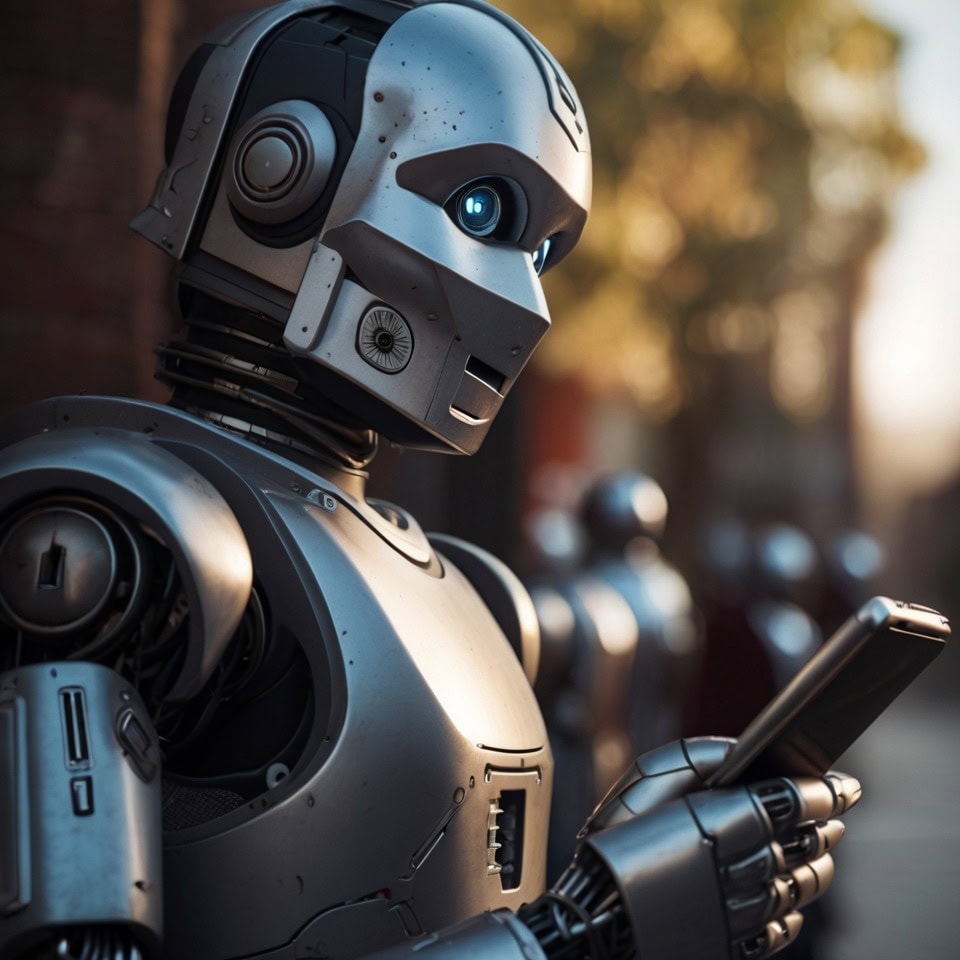
Consistency is another major benefit. AI tools can schedule posts across multiple platforms in advance, ensuring a steady flow of content without constant manual effort. This is especially useful for businesses managing several accounts or running global campaigns across different time zones.
But it’s not just about timing—it’s about optimization. AI can analyze which types of posts perform best, whether it’s videos, images, or text-based content. It then uses this data to refine future scheduling strategies. Over time, this leads to a more effective and efficient social media presence.
Another interesting feature is content recycling. AI can identify high-performing posts and suggest reposting them at optimal times, extending their lifespan and maximizing their impact. It’s like giving your best content a second chance to shine.
For marketers, this means less time spent on repetitive tasks and more time focusing on creative strategy. AI doesn’t just manage your social media—it enhances it.
Social Listening and Sentiment Analysis
Understanding what people are saying about your brand online is like having access to a goldmine of insights. But with millions of conversations happening every second, how do you keep track? This is where AI-powered social listening becomes invaluable.
AI tools scan social media platforms, forums, and online communities to monitor mentions of your brand, competitors, and industry trends. But it goes beyond simple tracking—it analyzes the sentiment behind those mentions. Are people happy, frustrated, excited, or indifferent? AI can tell.
Lorem ipsum dolor sit amet, consectetur adipiscing elit. Ut elit tellus, luctus nec ullamcorper mattis, pulvinar dapibus leo.

This insight is incredibly powerful. It allows businesses to respond quickly to customer feedback, address issues before they escalate, and identify opportunities for improvement. For example, if a product is receiving negative feedback, companies can take immediate action to fix the problem.
AI also helps identify emerging trends. By analyzing patterns in online conversations, it can detect shifts in consumer preferences before they become mainstream. This gives businesses a competitive edge, allowing them to adapt their strategies proactively.
Lorem ipsum dolor sit amet, consectetur adipiscing elit. Ut elit tellus, luctus nec ullamcorper mattis, pulvinar dapibus leo.
Another benefit is competitor analysis. AI can track how audiences are responding to competitors, providing valuable insights into what works and what doesn’t. This information can be used to refine your own marketing approach.
Ultimately, social listening transforms raw data into actionable insights. It helps brands stay connected to their audience, build stronger relationships, and make informed decisions based on real-world feedback.
AI-Driven Advertising

Programmatic Advertising
Advertising has come a long way from manually placing ads and hoping for the best. Today, programmatic advertising powered by AI has revolutionized how ads are bought, placed, and optimized. It’s fast, efficient, and incredibly precise.
Programmatic advertising uses AI to automate the buying of ad space in real time. When a user visits a website, an auction takes place in milliseconds to determine which ad will be displayed. AI analyzes user data—such as browsing history, location, and behavior—to decide which ad is most relevant.
Lorem ipsum dolor sit amet, consectetur adipiscing elit. Ut elit tellus, luctus nec ullamcorper mattis, pulvinar dapibus leo.
This level of precision means ads are shown to the right people at the right time. Instead of wasting budget on broad audiences, businesses can target specific segments with laser accuracy. The result? Higher engagement and better return on investment.
Another advantage is real-time optimization. AI continuously monitors ad performance and makes adjustments on the fly. If an ad isn’t performing well, the system can tweak targeting, bidding strategies, or creative elements to improve results.
Programmatic advertising also provides greater transparency and control. Marketers can track performance metrics in real time, allowing them to make informed decisions and optimize campaigns more effectively.
In a world where attention spans are short and competition is fierce, programmatic advertising gives businesses the edge they need to stand out.
Ad Targeting and Optimization

Lorem ipsum dolor sit amet, consectetur adipiscing elit. Ut elit tellus, luctus nec ullamcorper mattis, pulvinar dapibus leo.
If programmatic advertising is the engine, then AI-driven ad targeting is the navigation system that ensures you reach the right destination. It’s not just about showing ads—it’s about showing the right ads to the right people at the right time.
AI analyzes user data to create detailed audience profiles. These profiles go beyond basic demographics, incorporating behavior, interests, and intent. This allows marketers to deliver highly personalized ads that resonate with individual users.
One of the most powerful aspects is lookalike audience targeting. AI can identify users who share similar characteristics with your existing customers, expanding your reach without sacrificing relevance.
Optimization is another key benefit. AI tests multiple variations of ads—different headlines, images, and calls to action—and identifies which ones perform best. It then allocates budget to the top-performing variations, maximizing efficiency.
Here’s a quick breakdown:
| Feature | Traditional Ads | AI-Driven Ads |
|---|---|---|
| Targeting | Broad demographics | Behavioral and intent-based |
| Optimization | Manual adjustments | Automated and real-time |
| Personalization | Limited | Highly personalized |
| ROI | Variable | Consistently improved |
AI transforms advertising from a guessing game into a science. It ensures every dollar spent is working as hard as possible to deliver results.
Benefits and Challenges of AI in Digital Marketing
Key Benefits
When you look at the big picture, AI in digital marketing isn’t just an upgrade—it’s a complete transformation. Businesses that embrace it are seeing measurable improvements across almost every metric that matters, from engagement rates to customer retention. But what exactly makes AI so valuable? Let’s unpack it in a way that actually connects to real-world impact.

One of the most obvious benefits is efficiency. AI automates repetitive tasks like data analysis, email scheduling, ad optimization, and customer segmentation. What used to take hours—or even days—can now be done in seconds. This doesn’t just save time; it allows marketing teams to focus on strategy and creativity instead of getting buried in operational work. Imagine having more time to craft compelling campaigns instead of crunching numbers all day—that’s the shift AI brings.
Another major advantage is precision targeting. AI analyzes user behavior in incredible detail, allowing businesses to reach the right audience with the right message. This leads to higher conversion rates and less wasted ad spend. According to industry data, companies leveraging AI for targeting can reduce marketing costs by up to 30% while increasing revenue significantly.
Then there’s personalization at scale, which is arguably one of AI’s most powerful features. Instead of treating customers as a homogeneous group, AI enables one-to-one marketing. Every user can receive a unique experience tailored to their preferences, behavior, and needs. This level of personalization builds stronger relationships and boosts customer loyalty.
AI also enhances decision-making. With access to real-time data and predictive insights, marketers can make informed choices quickly. No more relying on guesswork or outdated reports. Everything becomes data-driven and actionable.
And let’s not forget scalability. Whether you’re a startup or a global enterprise, AI tools can grow with your business. You can handle larger audiences, more complex campaigns, and higher volumes of data without a proportional increase in resources.
In short, AI doesn’t just make marketing easier—it makes it smarter, faster, and far more effective.
Potential Challenges and Ethical Concerns
As powerful as AI is, it’s not without its complications. In fact, ignoring the challenges can lead to serious consequences—not just for businesses, but for consumers as well. So while AI opens up incredible opportunities, it also raises important questions that marketers can’t afford to overlook.
One of the biggest concerns is data privacy. AI relies heavily on user data to function effectively, and that raises obvious red flags. Consumers are becoming more aware of how their data is collected and used, and regulations like GDPR and CCPA are tightening the rules.

Businesses need to strike a balance between personalization and privacy. Push too far, and it starts to feel invasive rather than helpful.
Another issue is over-reliance on automation. While AI can handle many tasks, it doesn’t replace human judgment. Campaigns that are entirely automated can sometimes miss cultural nuances, emotional context, or creative depth. The result? Marketing that feels robotic or disconnected. The human touch still matters—arguably more than ever.
There’s also the challenge of bias in AI algorithms. Since AI systems learn from existing data, they can unintentionally reinforce biases present in that data. This can lead to unfair targeting or exclusion of certain groups, which not only affects campaign performance but can also damage a brand’s reputation.
Cost and implementation can be barriers too. Advanced AI tools often require significant investment, both financially and in terms of expertise. Small businesses might struggle to adopt these technologies effectively without the right resources or knowledge.
Finally, there’s the question of transparency. AI decisions can sometimes feel like a “black box,” where it’s unclear how certain conclusions are reached. This lack of clarity can make it difficult for marketers to fully trust or explain the outcomes.
The takeaway here is simple: AI is powerful, but it needs to be used responsibly. The brands that succeed will be the ones that combine technological innovation with ethical awareness and human insight.
The Future of AI in Digital Marketing

If you think AI is already impressive, the future is going to feel like stepping into a completely different world. We’re moving toward a landscape where AI doesn’t just support marketing—it drives it in ways that feel almost intuitive and invisible.
One of the most exciting developments is hyper-personalization. We’re talking about experiences so tailored that every interaction feels uniquely crafted for the individual. Websites that change layout based on user preferences, ads that adapt in real time, and content that evolves as you engage with it—it’s all becoming possible.
Voice and visual search are also set to play a bigger role. As more people use voice assistants and image-based searches, AI will need to understand context in more human-like ways. This will push marketers to rethink how they create and optimize content.
Another trend is the integration of AI with augmented reality (AR) and virtual reality (VR). Imagine trying on clothes virtually or visualizing furniture in your home before buying—all powered by AI. These immersive experiences will redefine how consumers interact with brands.
We’re also likely to see more autonomous marketing systems, where AI manages entire campaigns with minimal human input. From planning to execution to optimization, everything could be handled by intelligent systems that learn and adapt continuously.
But here’s the twist—while technology becomes more advanced, the demand for authentic human connection will grow even stronger. People will crave real stories, genuine interactions, and brands that feel human. The future of digital marketing won’t be about choosing between AI and humanity—it’ll be about blending the two seamlessly.
Conclusion
Artificial Intelligence is no longer a futuristic concept—it’s deeply embedded in the fabric of digital marketing. From data analysis and personalization to content creation and advertising, AI is reshaping how businesses connect with their audiences. It’s making marketing more precise, more efficient, and more impactful than ever before.
At the same time, it’s not a magic solution that works on autopilot without consequences. The real power of AI lies in how it’s used.

Businesses that combine AI capabilities with human creativity, ethical responsibility, and strategic thinking are the ones that truly stand out.
Digital marketing is evolving fast, and AI is at the center of that evolution. The question isn’t whether to adopt it—it’s how effectively you can integrate it into your strategy.
FAQs
1. How is AI used in digital marketing today?
AI is used for data analysis, customer segmentation, personalized content recommendations, chatbots, email automation, and ad targeting. It helps businesses make smarter decisions and deliver more relevant experiences to users.
2. Can AI replace human marketers?
No, AI is designed to assist, not replace. While it can automate tasks and provide insights, human creativity, emotional intelligence, and strategic thinking are still essential.
3. What are the risks of using AI in marketing?
The main risks include data privacy concerns, algorithmic bias, over-automation, and lack of transparency. Businesses need to use AI responsibly and ethically.
4. Is AI expensive for small businesses?
It depends on the tools. While some advanced solutions can be costly, there are many affordable AI-powered tools available that cater to small businesses and startups.
5. What is the future of AI in digital marketing?
The future includes hyper-personalization, voice and visual search optimization, AI-driven automation, and integration with technologies like AR and VR.
9x ClickBank Platinum Vendor Wants To Share His ClickBank Profits With You
The replay shows how the ClickBank Profit Club works, who it is for, and how Phase 2 founding members lock in top level VIP access and earnings, plus done for you member recruitment.
Founder members receive top level VIP access and all the benefits that come with it
The ClickBank Profit Club comes with a 14 day risk free ‘no questions asked’ money back guarantee.

I’ll keep this simple: your investment is covered by my full money-back guarantee.
I know other people make you jump through a bunch of hoops and prove you’ve watched all the videos and done all the homework.
But that’s not how we roll.
You have a full 14 days from the date you join to see if The ClickBank Profit Club is for you.
If you’re not thrilled at what this can do for you, just let us know within 14 days and we’ll gladly refund your money. No questions asked.
All you have to do is decide you’re up for the challenge…
Pony up this tiny investment today (compared to all the value you get in return)…
And just give it a shot!
If it works, great.
If not, just ask for your money back and you’ll get it.


